Limestone, windswept vegetation and open water define Anguilla’s eastern tip, where a coastal walk reveals wide views towards Scrub Island.
Windward Point marks Anguilla’s easternmost tip, where a rugged headland and nearby bay offer a rewarding setting for coastal exploration. The experience centres on walking: limestone underfoot, vegetation shaped by exposure and viewpoints looking towards offshore islands. It suits photographers and travellers comfortable with uneven terrain, particularly those who enjoy discovering a destination on foot. The Anguilla National Trust includes this area in its guided nature hikes, giving visitors an opportunity to understand the landscape as they move through it. Plan around the walk and the views, with time to pause and enough daylight for a comfortable return.

Explore Windward Point through broad views of the eastern headland, limestone terrain and the sea beyond. Closer perspectives introduce the vegetation growing across this exposed landscape, while views towards Scrub Island place the point within Anguilla’s wider coastal geography.
Follow a coastal walk towards the island’s eastern tip, taking in uneven limestone, low vegetation and the movement of the sea. The sequence builds towards the headland views, allowing the scale of the landscape to emerge gradually.
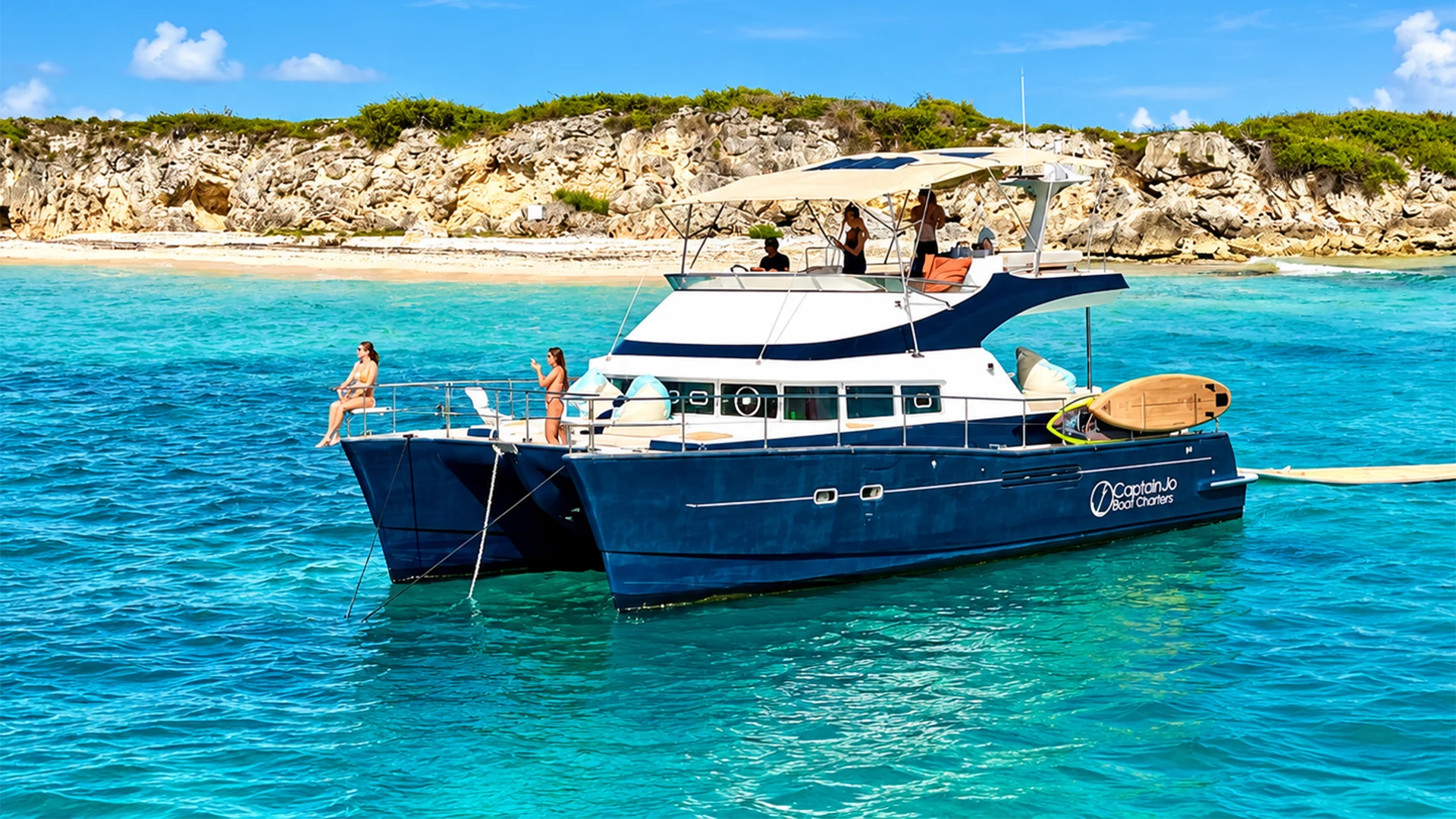
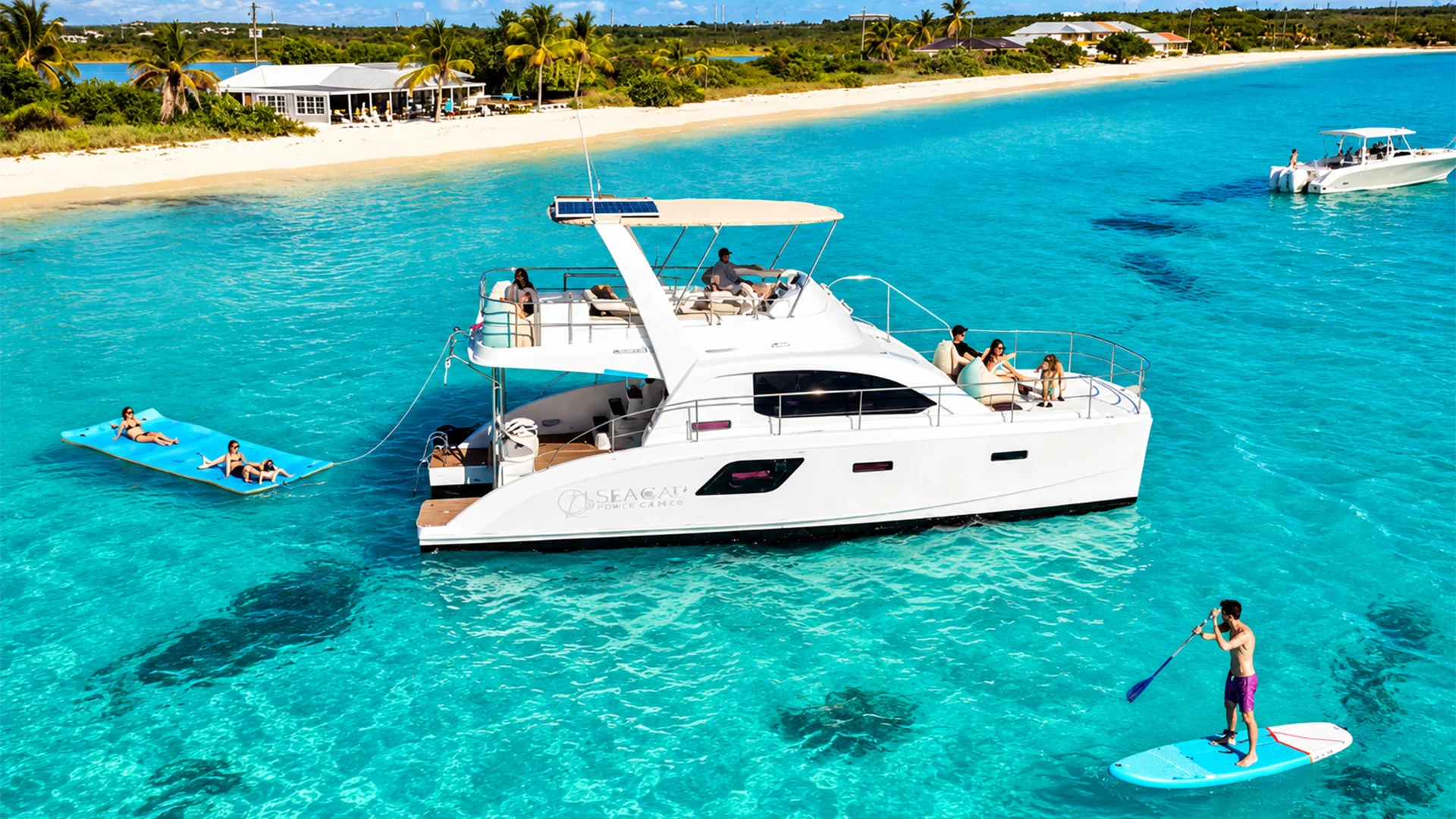
Explore Anguilla's scenic East End, discover hidden beaches, enjoy island tours, and experience one of the Caribbean's most dramatic coastlines.
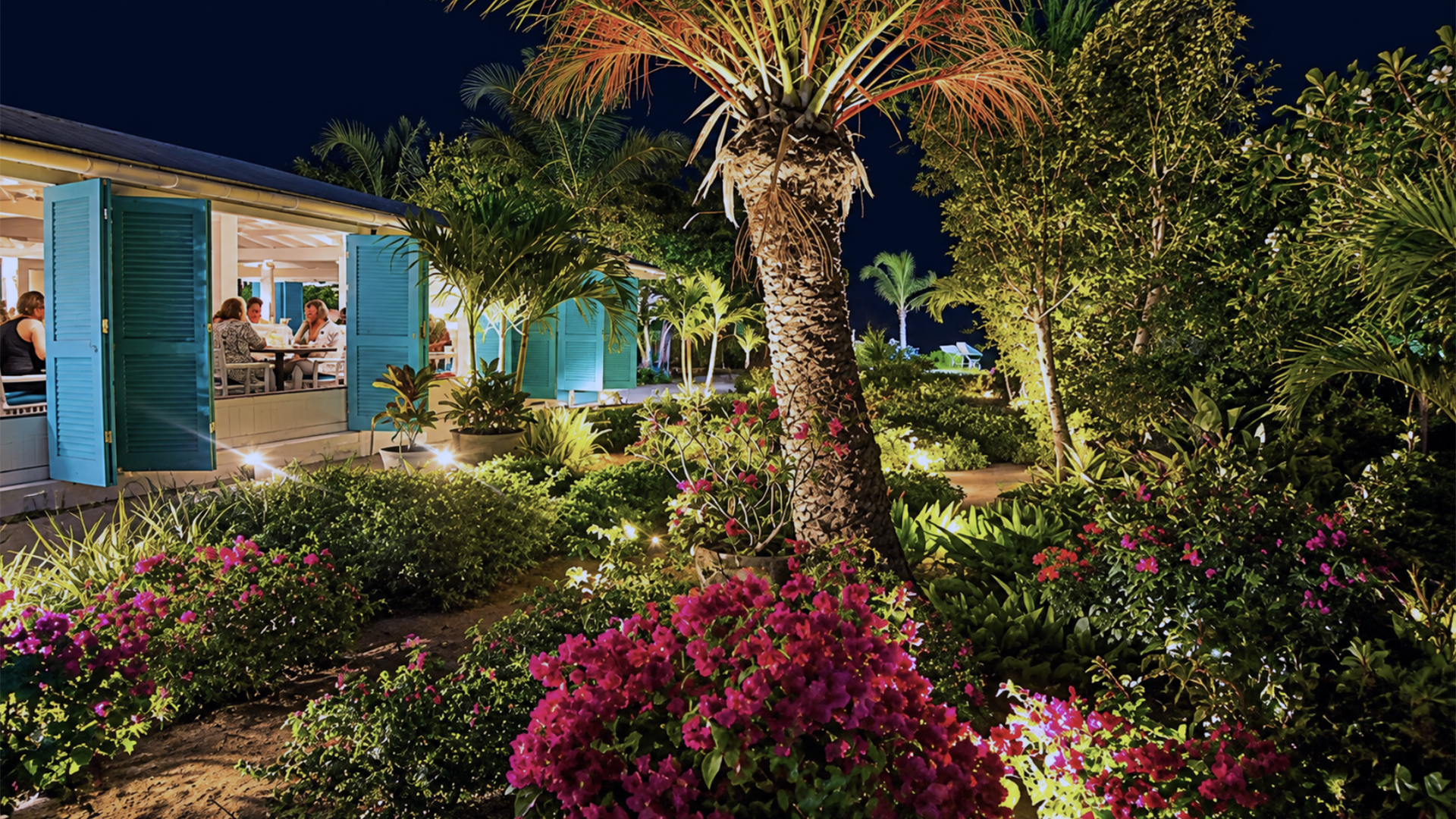
Discover local Caribbean restaurants and relaxed island dining while exploring Anguilla's beautiful East End.
Visit Savannah Bay, Junk's Hole, Sile Bay, Mimi Bay, and Marissa's Blowhole while exploring Anguilla's spectacular eastern coastline.
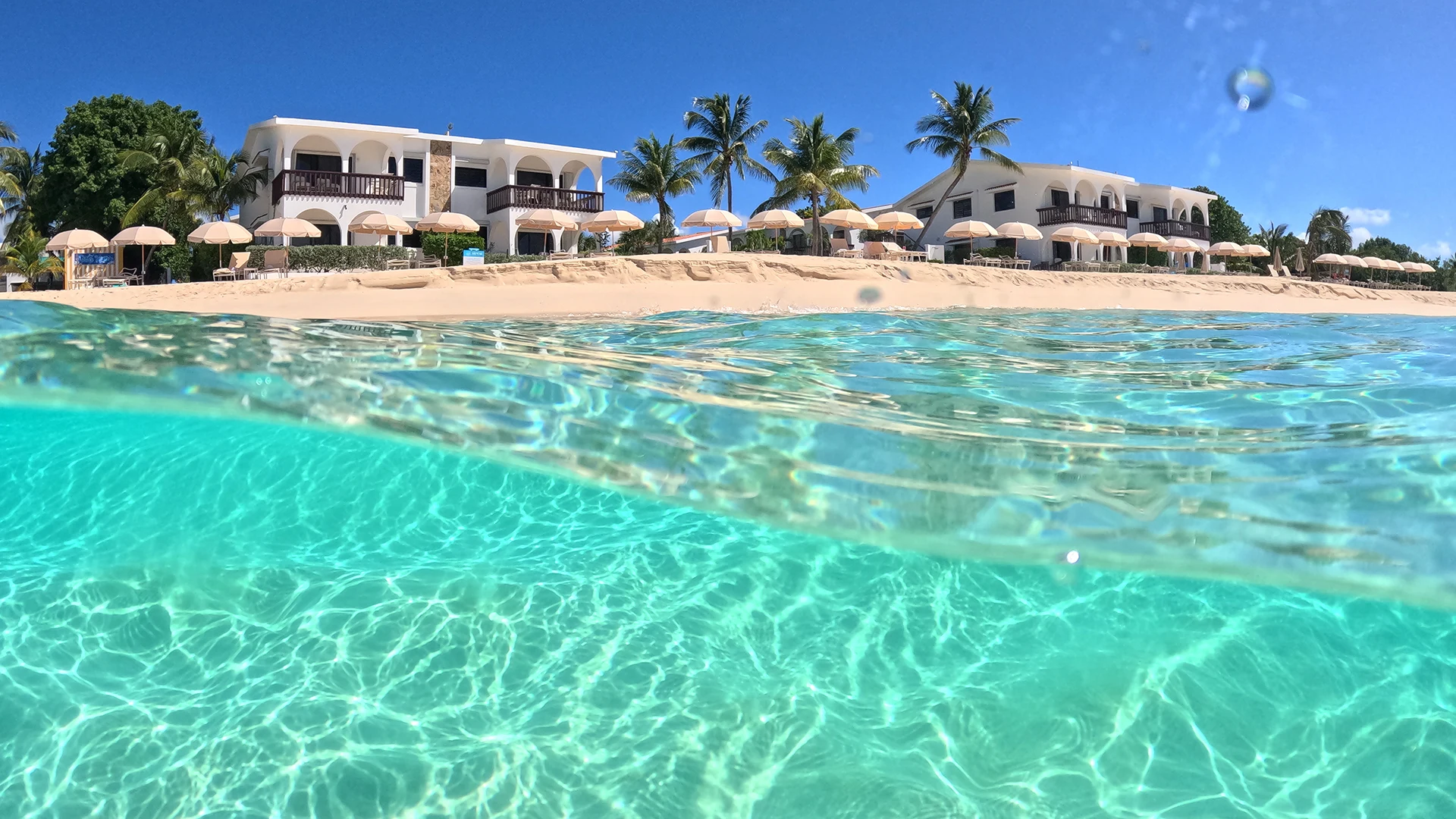
Discover boutique villas and peaceful island accommodations while exploring Anguilla's quiet and scenic East End.
Windward Point brings Anguilla’s eastern coastline to a dramatic conclusion. The headland offers views towards Scrub Island and, in clear weather, more distant St. Martin and St. Barths. Its exposed setting gives a visit a sense of scale: the interest lies in the landforms, the offshore outlook and the journey across the coastal terrain. The vegetation deserves attention along the way. The Anguilla National Trust describes popehead cacti, windswept frangipani and low buttonwood on its Windward Point hiking route. These plants give texture to a landscape that can appear spare from a distance. Walk around vegetation, leave flowers and fruit undisturbed, and use a guide’s knowledge to understand what grows here. The Trust also identifies views of Little Scrub Island among the route’s highlights. The adjoining bay has an important environmental history. A government report published in 2016 documented severe loss of beach material following sand extraction, particularly from the dunes. It explained that removing these reserves disrupted the replenishment of the shore. For that reason, descriptions of an extensive sandy beach should not be treated as a reliable picture of present conditions; the headland and its views provide the more dependable basis for planning a visit. Arrange a guided outing if you are unfamiliar with the area. Confirm the meeting point, current route, walking difficulty and transport with the operator. Wear supportive shoes and carry drinking water, sun protection and a hat. Families and groups should discuss everyone’s walking ability before booking, especially where uneven rock and exposed sections are involved. For photography, allow time to stop on stable ground and compose views without approaching cliff edges or breaking waves. An earlier start can leave more daylight for exploring and returning, while the precise timing should follow weather and guide advice. Keep swimming, snorkeling and boat landings separate from the hiking plan unless a qualified operator has assessed their suitability.
START PLANNING
Planning a private charter, stay, experience or something entirely your own? Tell us what you have in mind and we’ll help with the details.
Prefer to talk? Call us →Typically responds within minutes