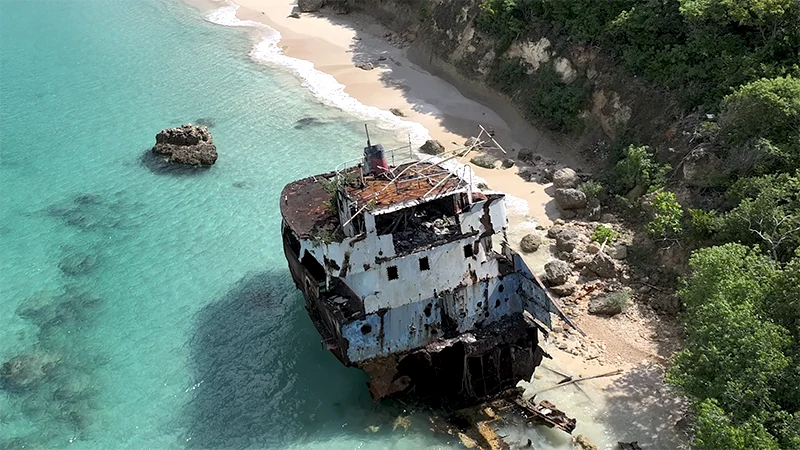
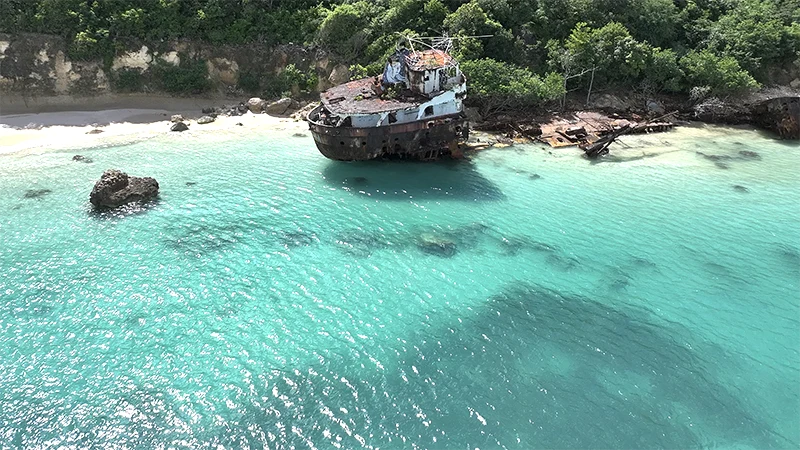
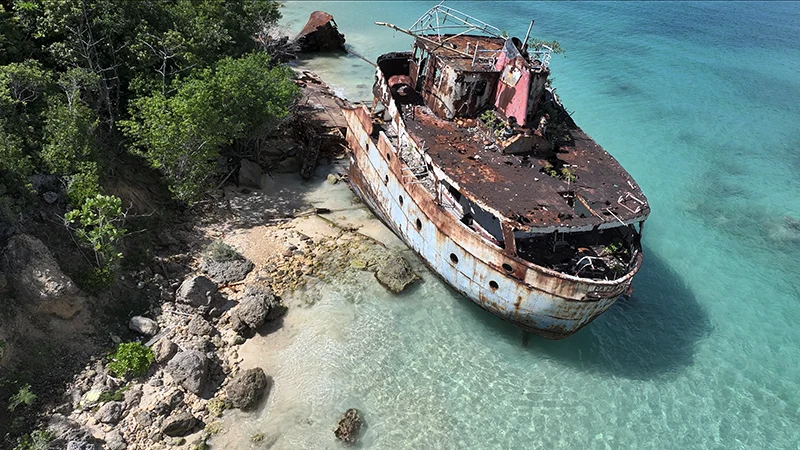
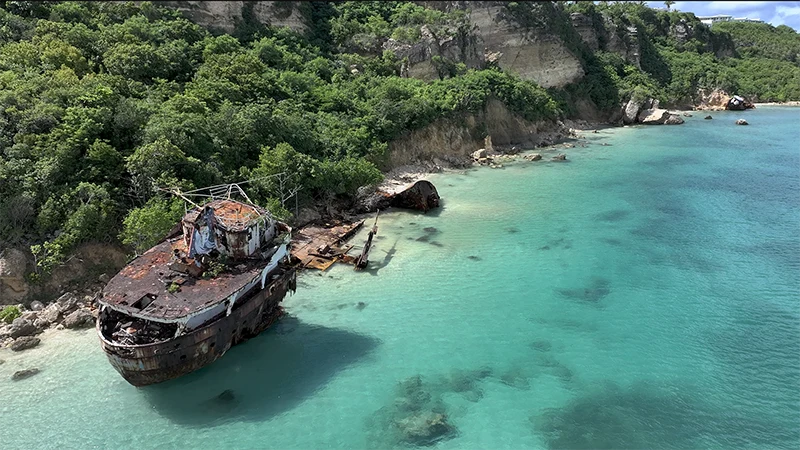
At the edge of Road Bay, a weathered ship rests against the shoreline, bringing a quieter perspective to Anguilla’s maritime history.
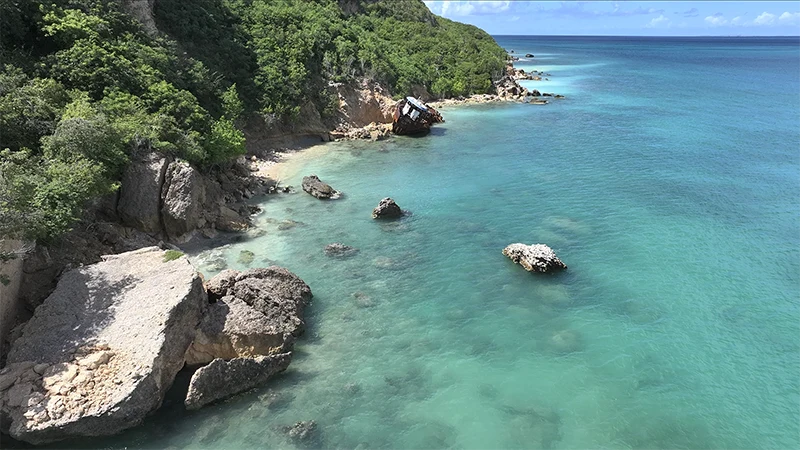
At the southwestern end of Sandy Ground beach, the Pamead gives this stretch of Road Bay a distinctive maritime character. Known here as Sandy Ground Shipwreck, its corroded hull rests along the shoreline near the South Hill cliffs. The appeal lies in looking closely: the shape of the vessel, the texture of weathered metal, and its place within the surrounding bay. Photographers, couples, and travellers interested in the island’s maritime past can make it a considered stop during a coastal outing. Allow time to view it from shore, then continue towards the village for a meal beside the water.

Explore the contrasts of Sandy Ground Shipwreck, where rusted metal meets pale sand and the open water of Road Bay. Shoreline perspectives place the Pamead within its coastal setting, while closer compositions draw attention to the vessel’s weathered surfaces and sculptural outline.
Follow the shoreline towards the Pamead as moving water and changing light bring its coastal setting into focus. A view across Road Bay connects this weathered vessel with the wider waterfront and Anguilla’s continuing relationship with the sea.
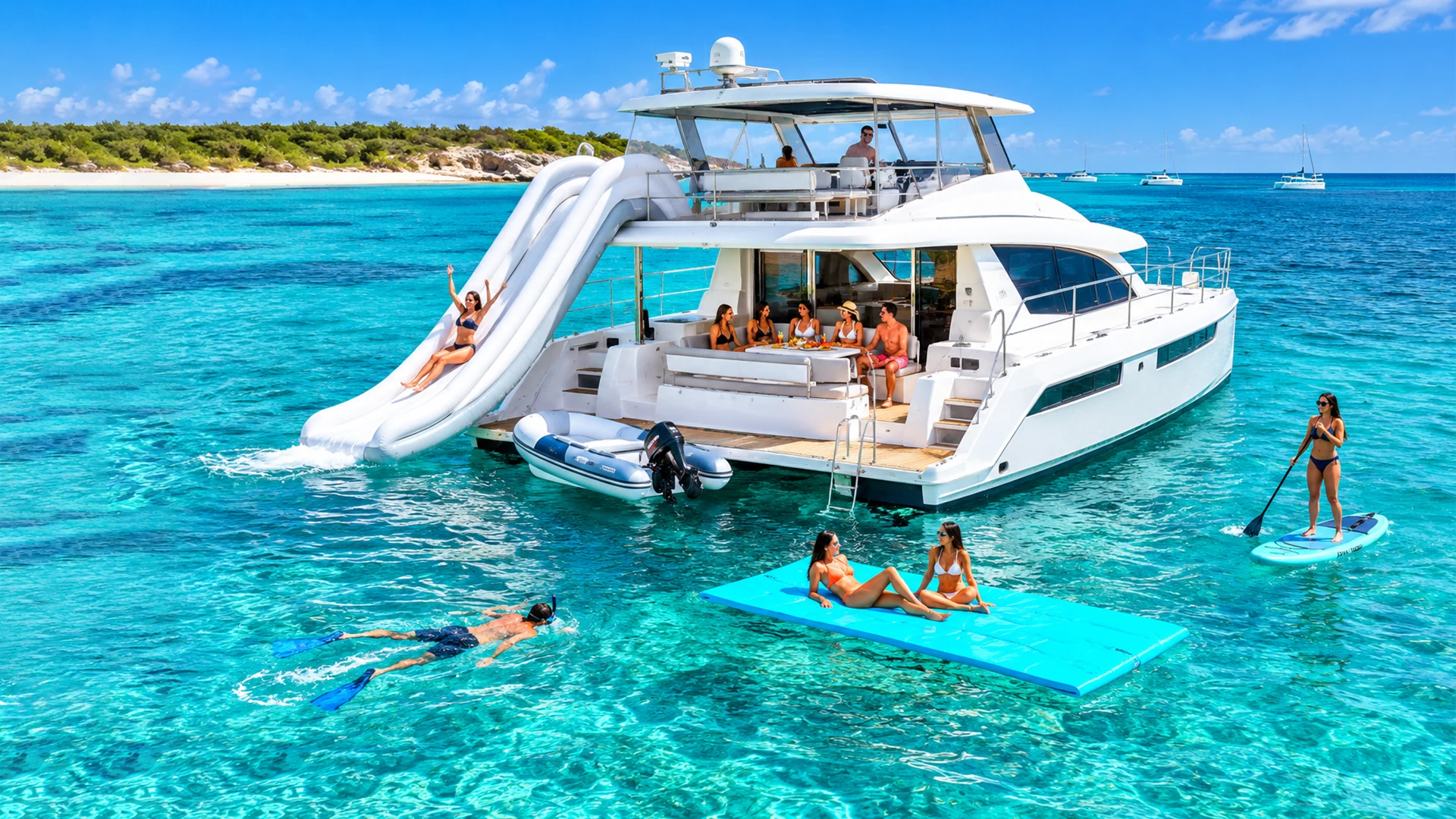
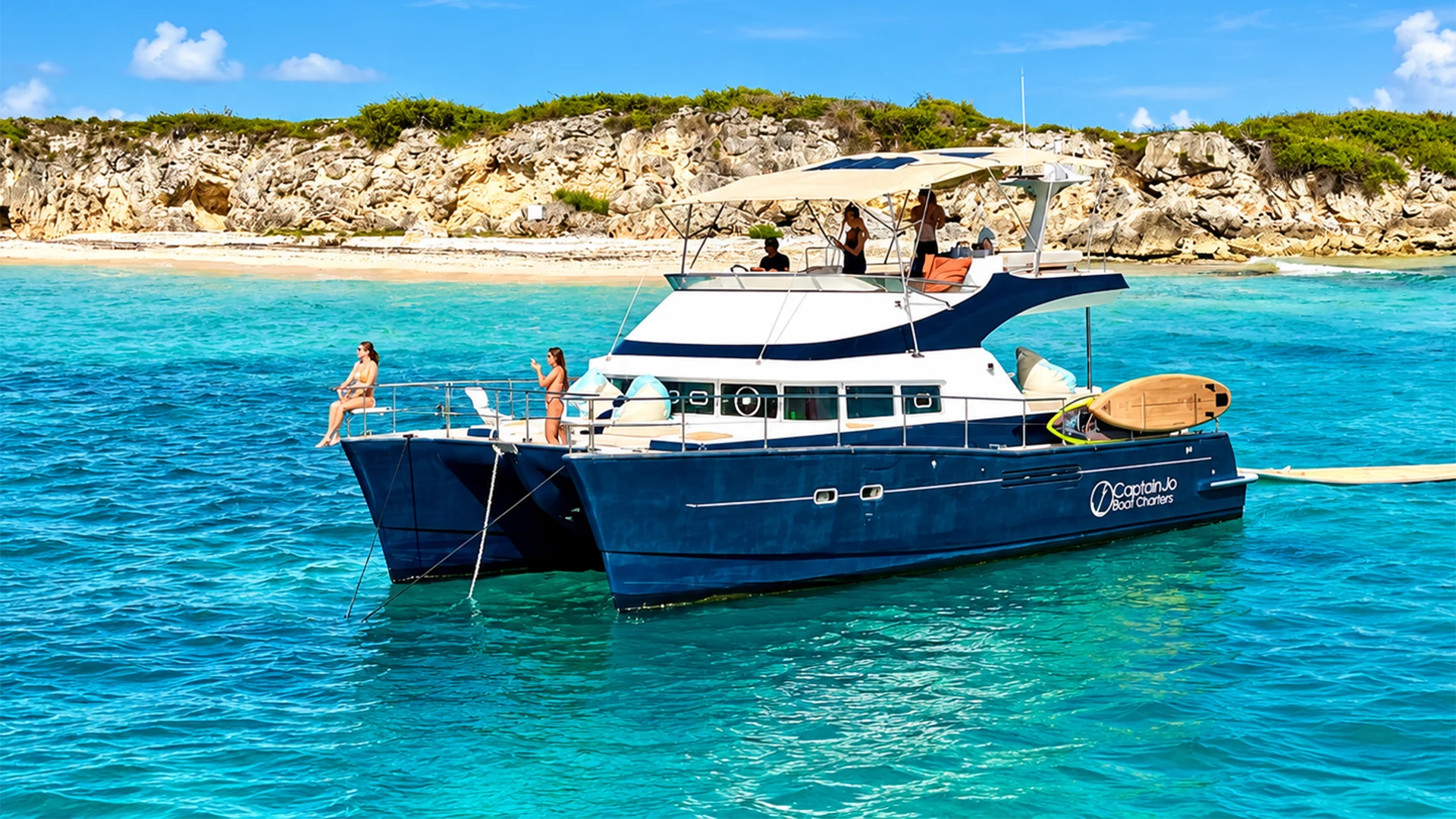
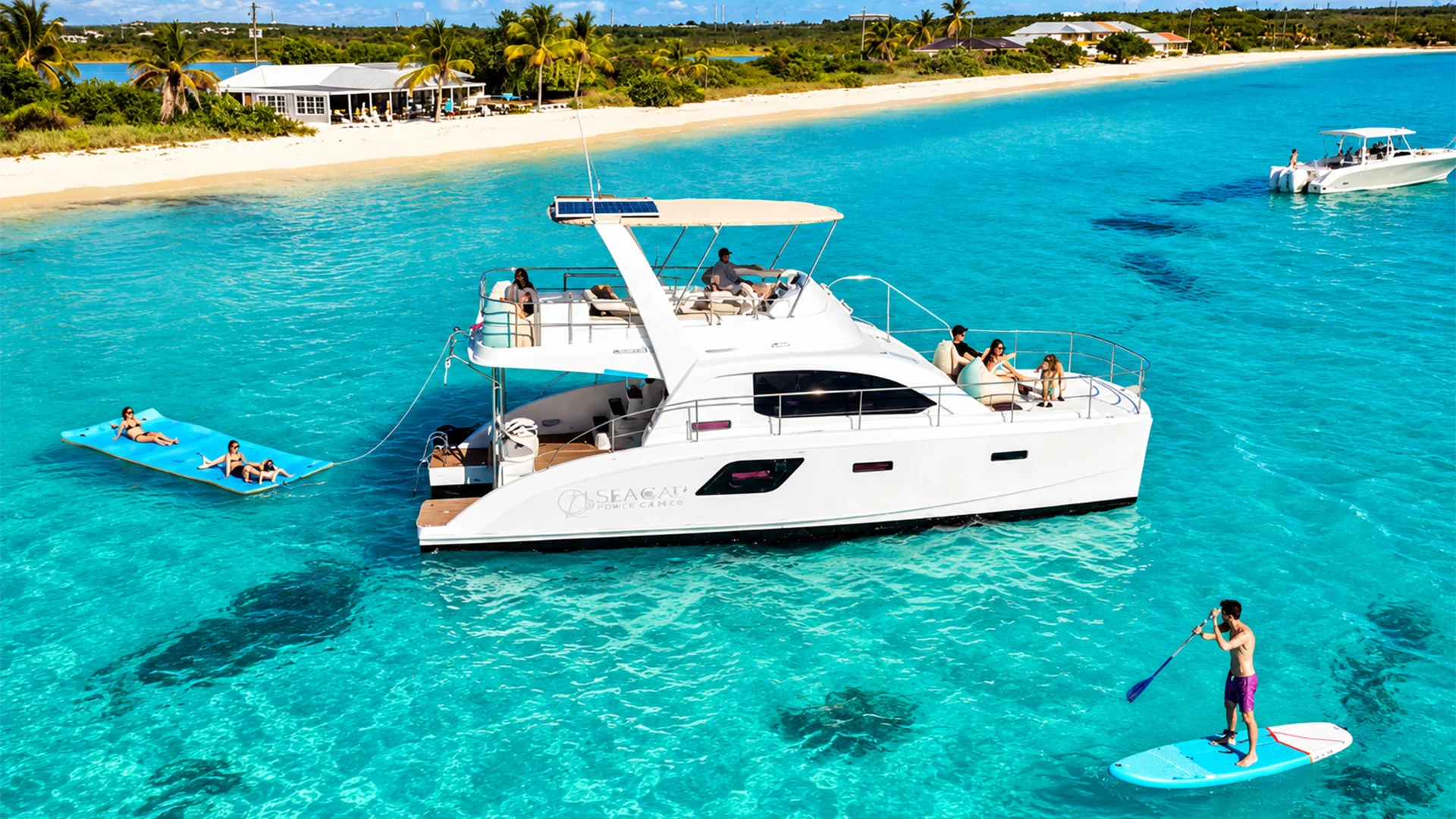
Discover private yacht charters, harbor cruises, fishing trips, snorkeling adventures, and waterfront experiences departing from Sandy Ground.
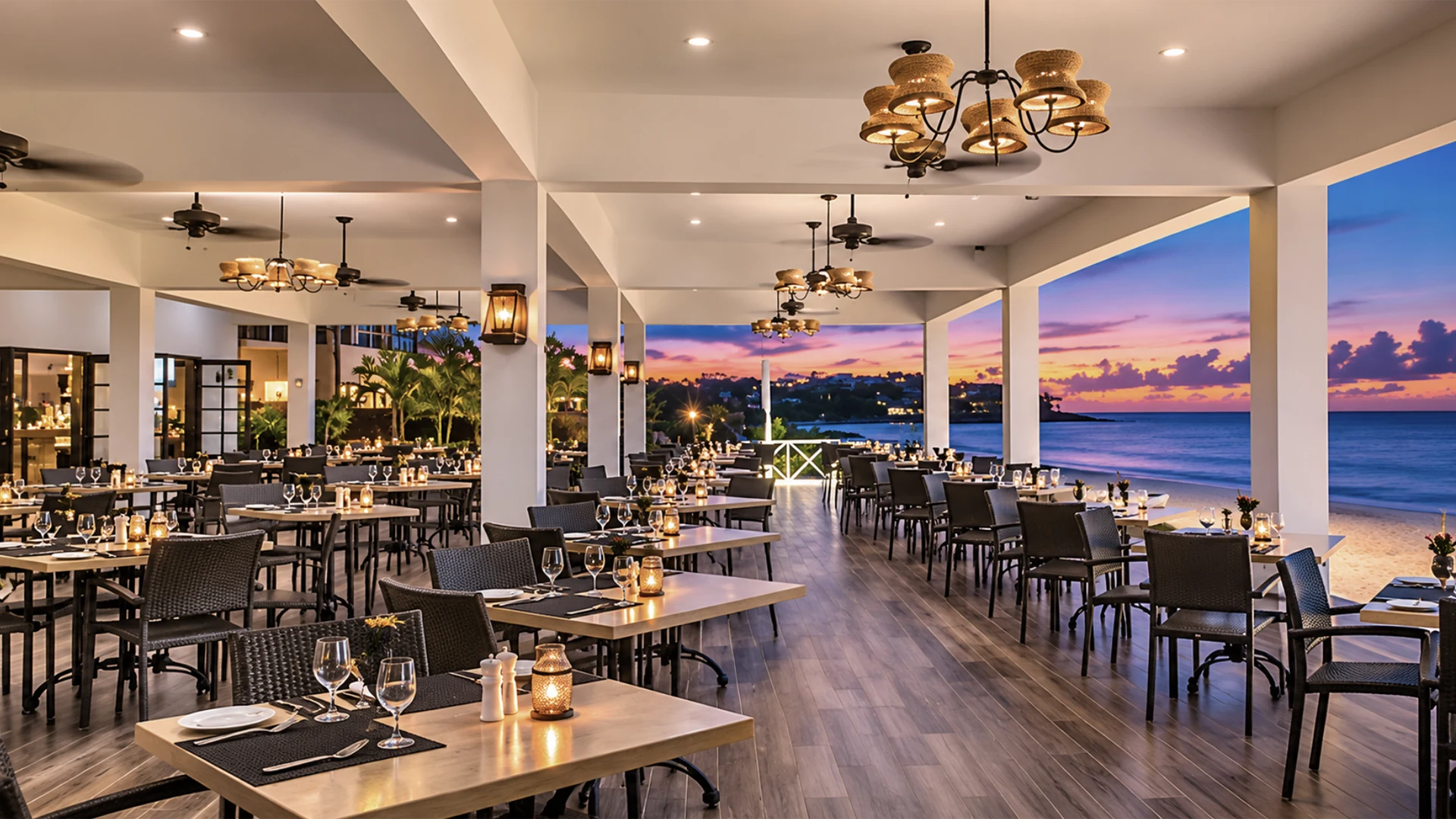
Enjoy fresh seafood, beachfront restaurants, lively beach bars, and Caribbean cuisine overlooking Road Bay and the historic shipwreck.
Explore Sandy Ground Beach, nearby coastal viewpoints, local marinas, and other attractions along Anguilla's vibrant southwest shoreline.
Stay near Sandy Ground in boutique hotels, beachfront villas, and comfortable island accommodations close to the harbor and beach.
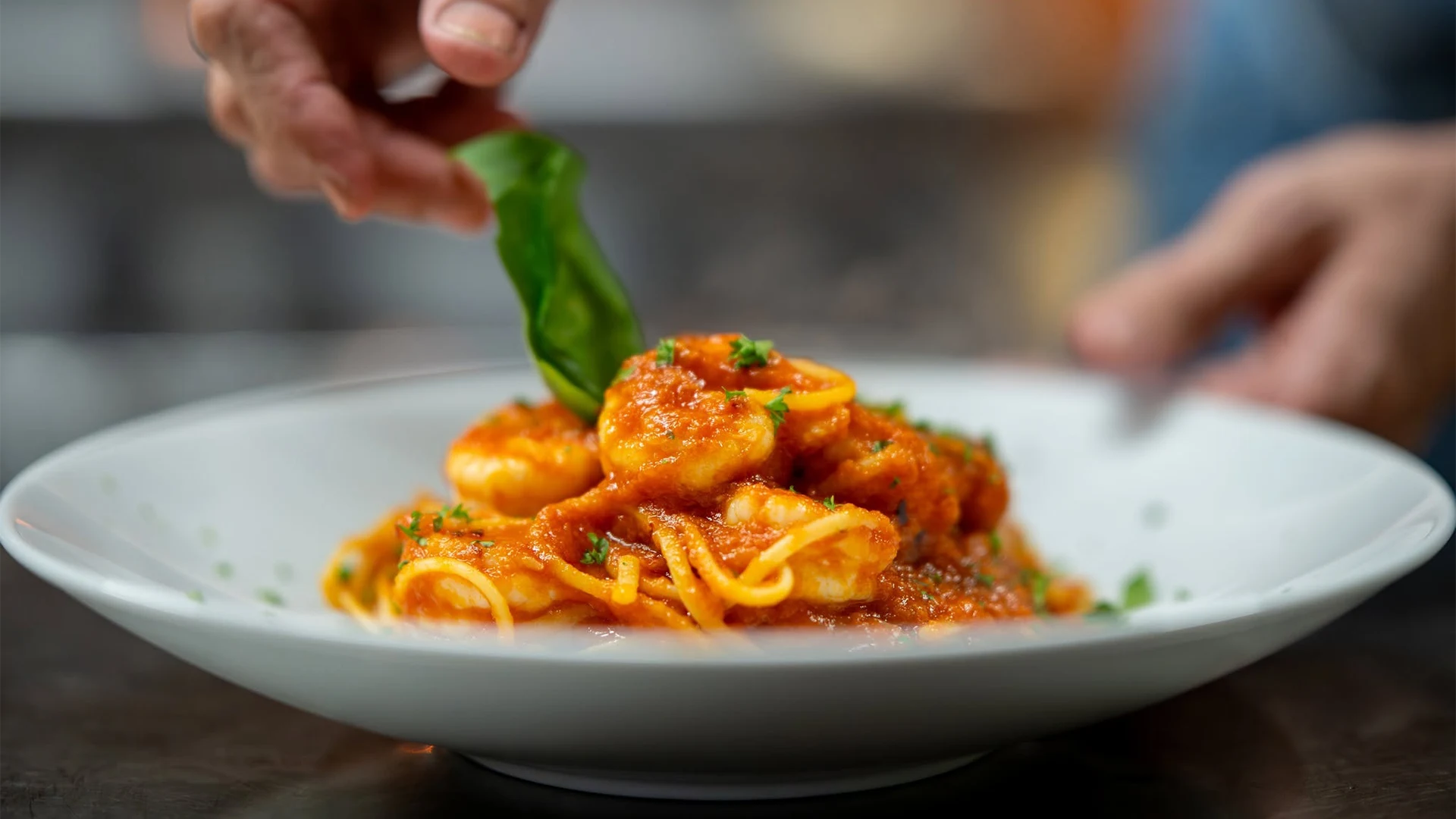
Sandy Ground Shipwreck is the Pamead, a former general cargo vessel at the southwestern end of Sandy Ground beach in Anguilla. Set near the South Hill cliffs on Road Bay, the wreck offers a distinctive subject for a shoreline visit, with its weathered structure visible against the surrounding coastal landscape. Its history gives the scene particular interest. Built in 1955, the Pamead ran aground during Hurricane Lenny in November 1999, according to Lloyd’s Casualty Week. That documented connection to the storm provides a useful starting point for understanding the vessel’s presence here. Looking at the surviving structure brings the story into focus without needing an elaborate itinerary or a guided activity. For photography, begin with a wider composition that includes the shoreline and bay. The relationship between the hull and its surroundings conveys scale, while a longer lens can isolate details in the corroded metal from a comfortable distance. Late afternoon can bring warmer light to the scene; the precise effect depends on cloud cover, season, and where you stand. Sandy Ground also lends itself to sunset views across the bay, so the visit can form part of a longer afternoon along the waterfront. Treat the wreck as a landmark to observe from shore. Keep clear of damaged metal, avoid entering or climbing the vessel, and wear sturdy footwear for the approach. Families should keep children close around the remains. Confirm the current route locally before setting out, since a shoreline approach can change with sea conditions and erosion. Beyond the wreck, Sandy Ground’s fishing boats, visiting yachts, and waterfront restaurants provide another perspective on island life. Dolce Vita, in the village, serves Italian dishes, homemade pasta, and seafood beside the beach. Check its current opening arrangements before planning dinner. Combining the two gives the afternoon a natural progression: time with a piece of maritime history, followed by a table overlooking a bay that remains very much in use.
START PLANNING
Planning a private charter, stay, experience or something entirely your own? Tell us what you have in mind and we’ll help with the details.
Prefer to talk? Call us →Typically responds within minutes