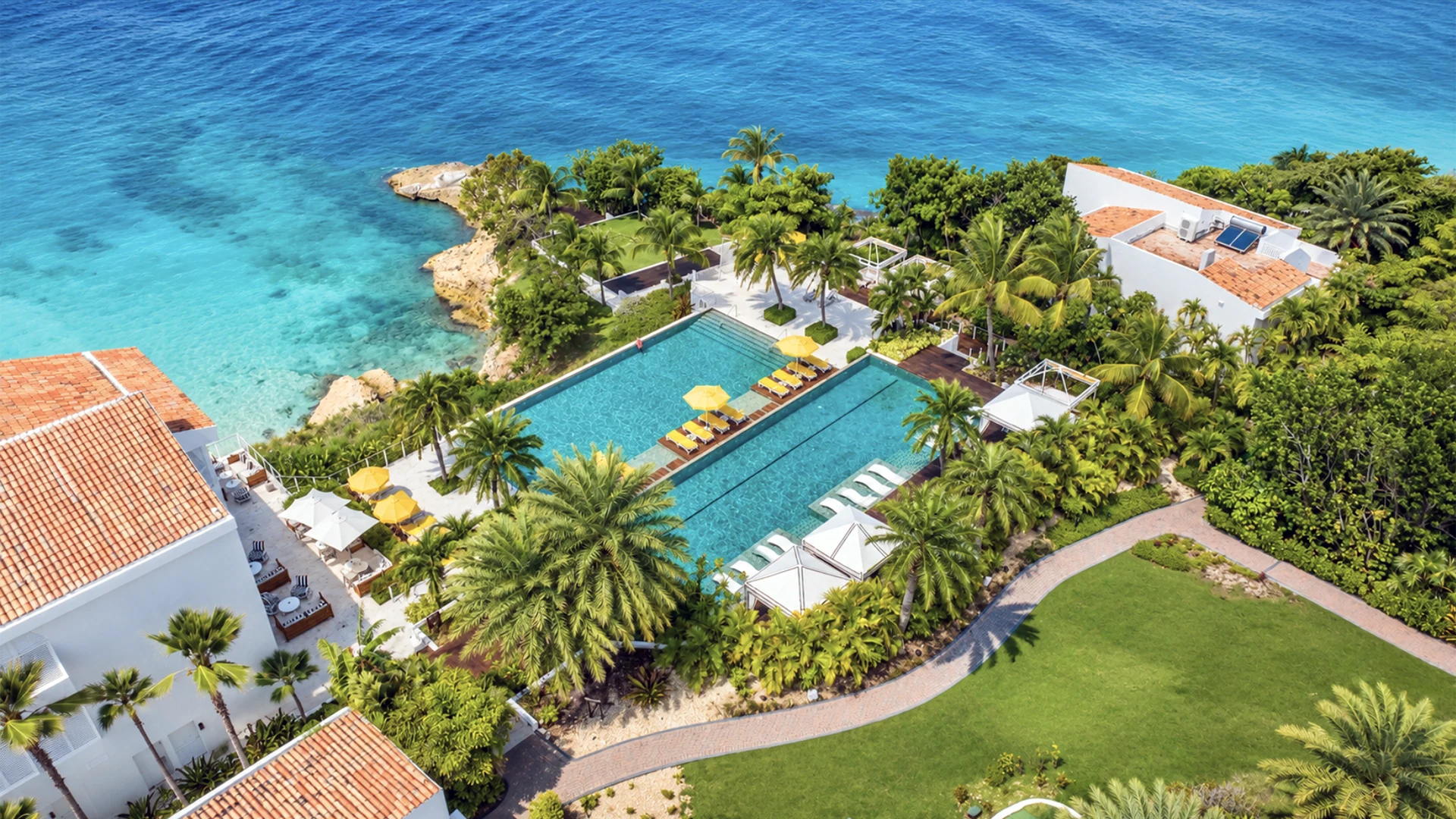
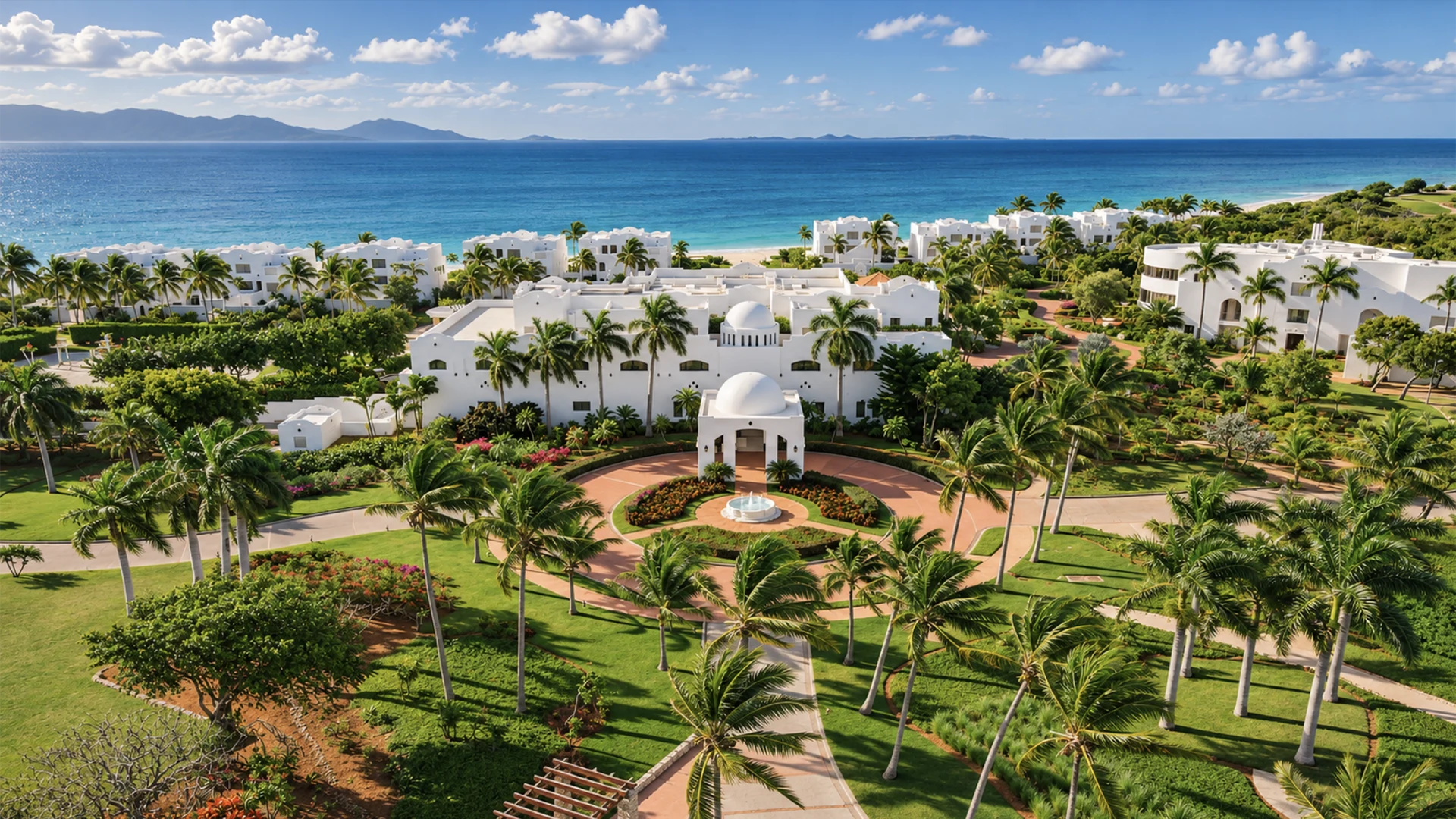
Watch for bursts of sea spray along Anguilla’s western coast, where weathered rock and open water give each visit a different character.
Marissa’s Blowhole is a natural coastal landmark near Blolly Ham Bay at Anguilla’s western end. Its appeal lies in watching the sea interact with the rocky shoreline, with visible spray dependent on the waves. Approach it as a scenic stop within a day of exploring the West End, allowing time to observe before taking photographs. Photographers and travellers interested in coastal landscapes will find a different perspective here, with the surrounding rock and ocean providing interest between bursts of activity. A flexible itinerary suits the experience: the sea determines what you see, and a dramatic display is never assured.

Explore Marissa’s Blowhole through the textures of its rocky setting and the coastline beyond. Wide views establish the surrounding landscape, while closer compositions draw attention to the meeting of sea and stone and the changing light across the water.
Watch the relationship between incoming waves and the blowhole’s response, with pauses that reveal how the sea sets the pace. Moving footage brings another dimension to the landmark, capturing the brief appearance and dispersal of spray when conditions allow.
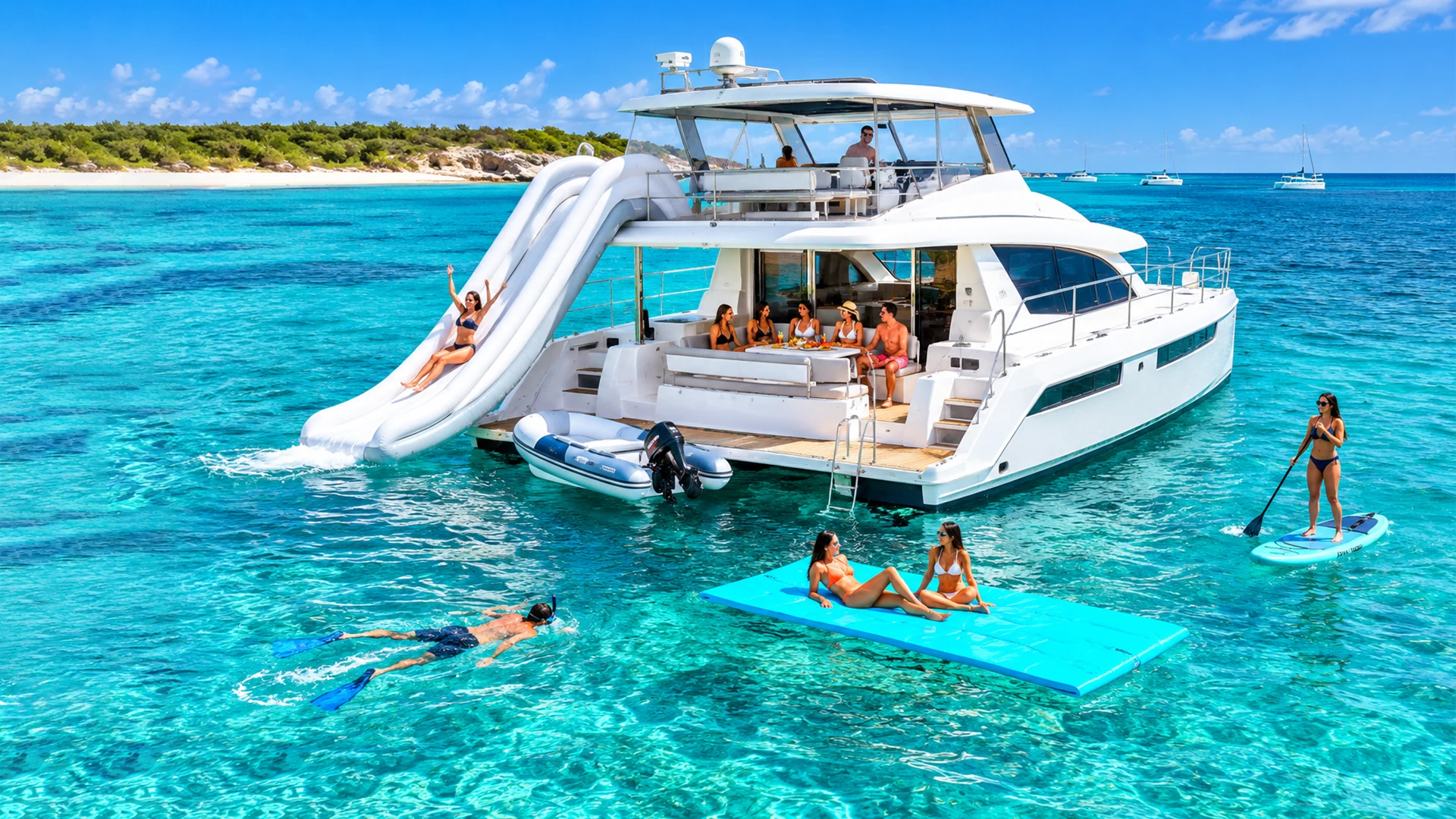
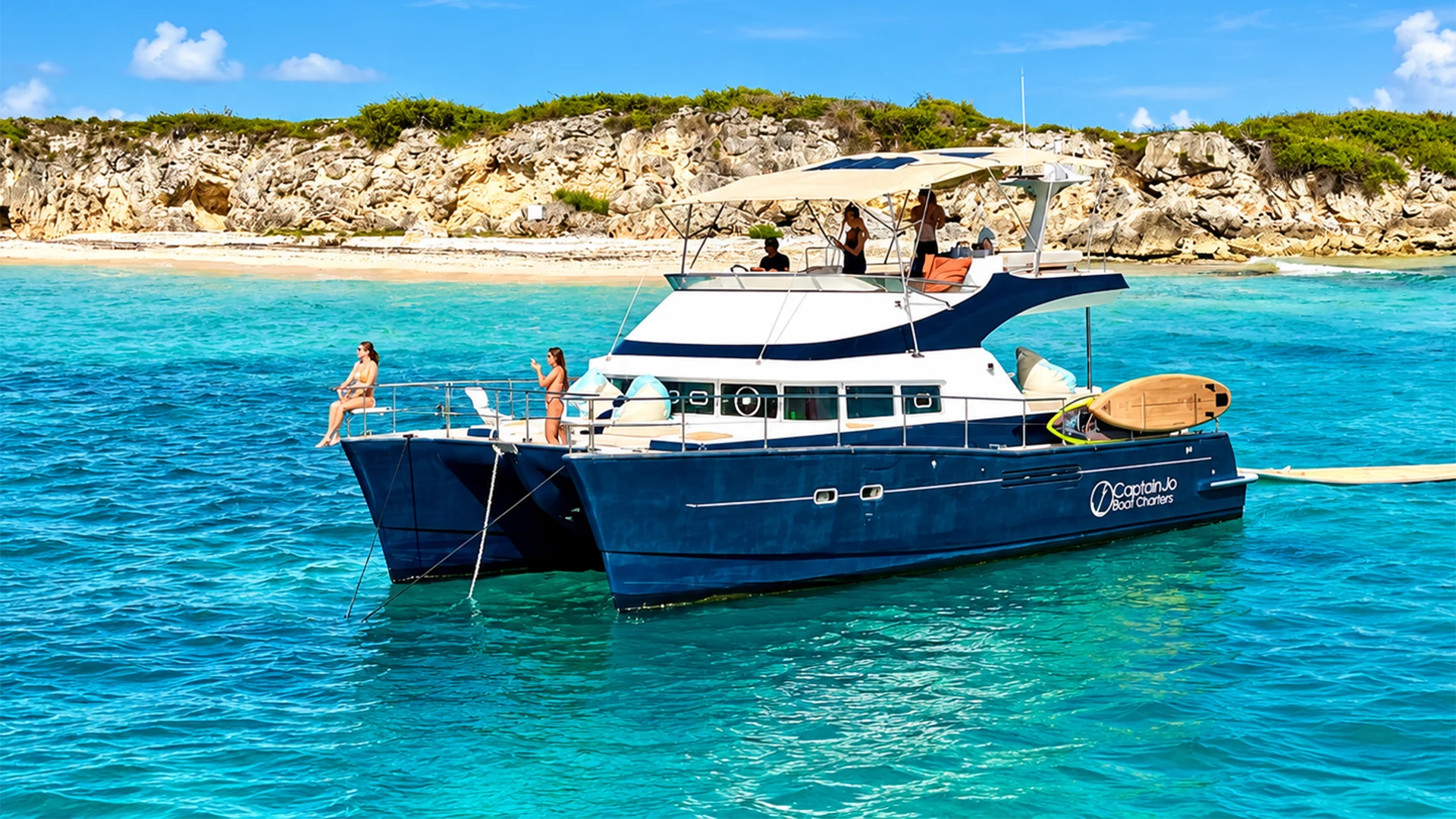
Discover island tours, scenic drives, private yacht charters, hiking opportunities, and unforgettable adventures exploring Anguilla's dramatic eastern coastline.
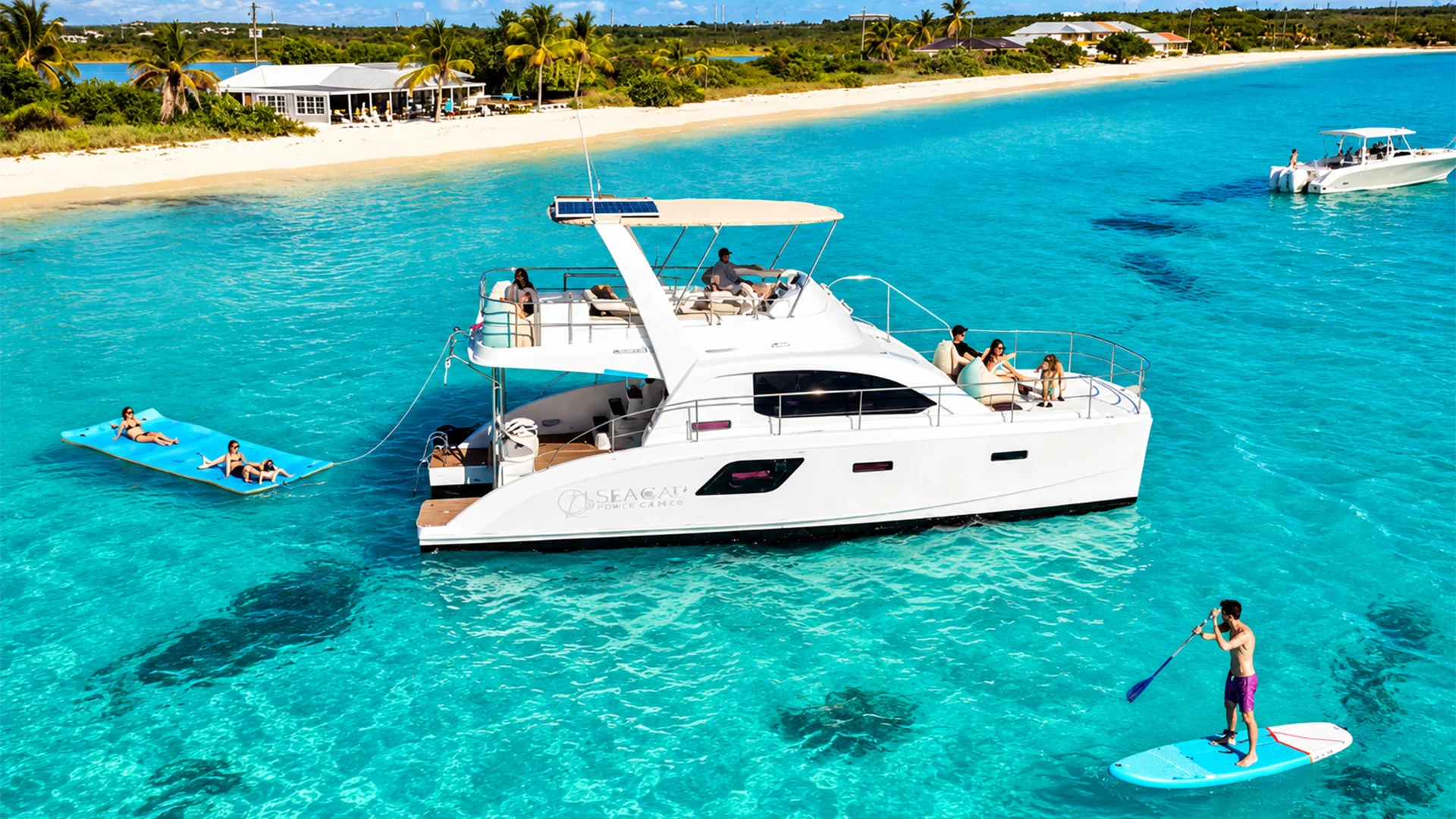
After exploring the coastline, enjoy nearby island restaurants serving fresh seafood, Caribbean specialties, and authentic local flavors in relaxed surroundings.
Continue exploring Anguilla by visiting nearby beaches, Windward Point, Savannah Bay, and other remarkable natural landmarks along the island's rugged east coast.
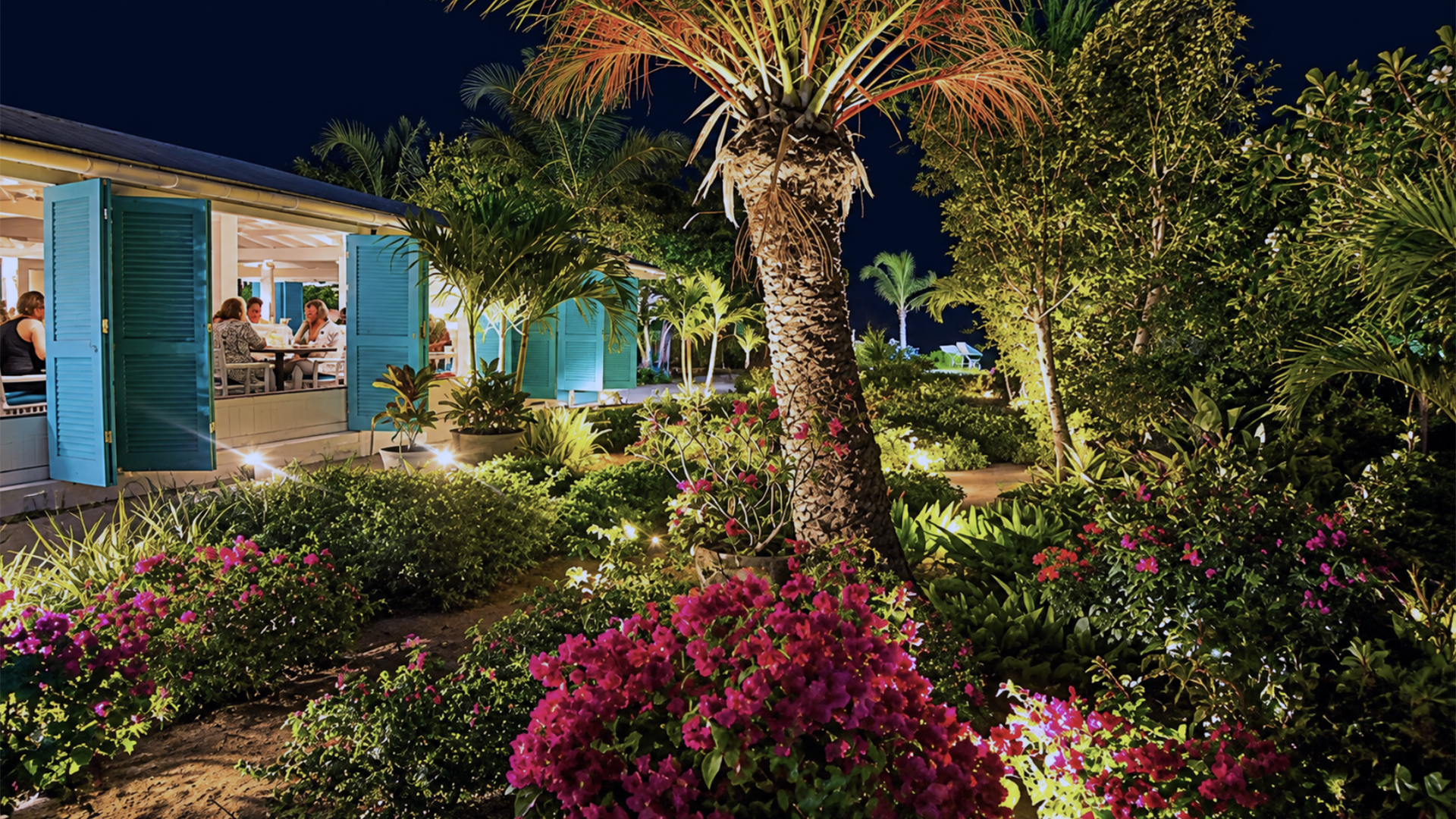
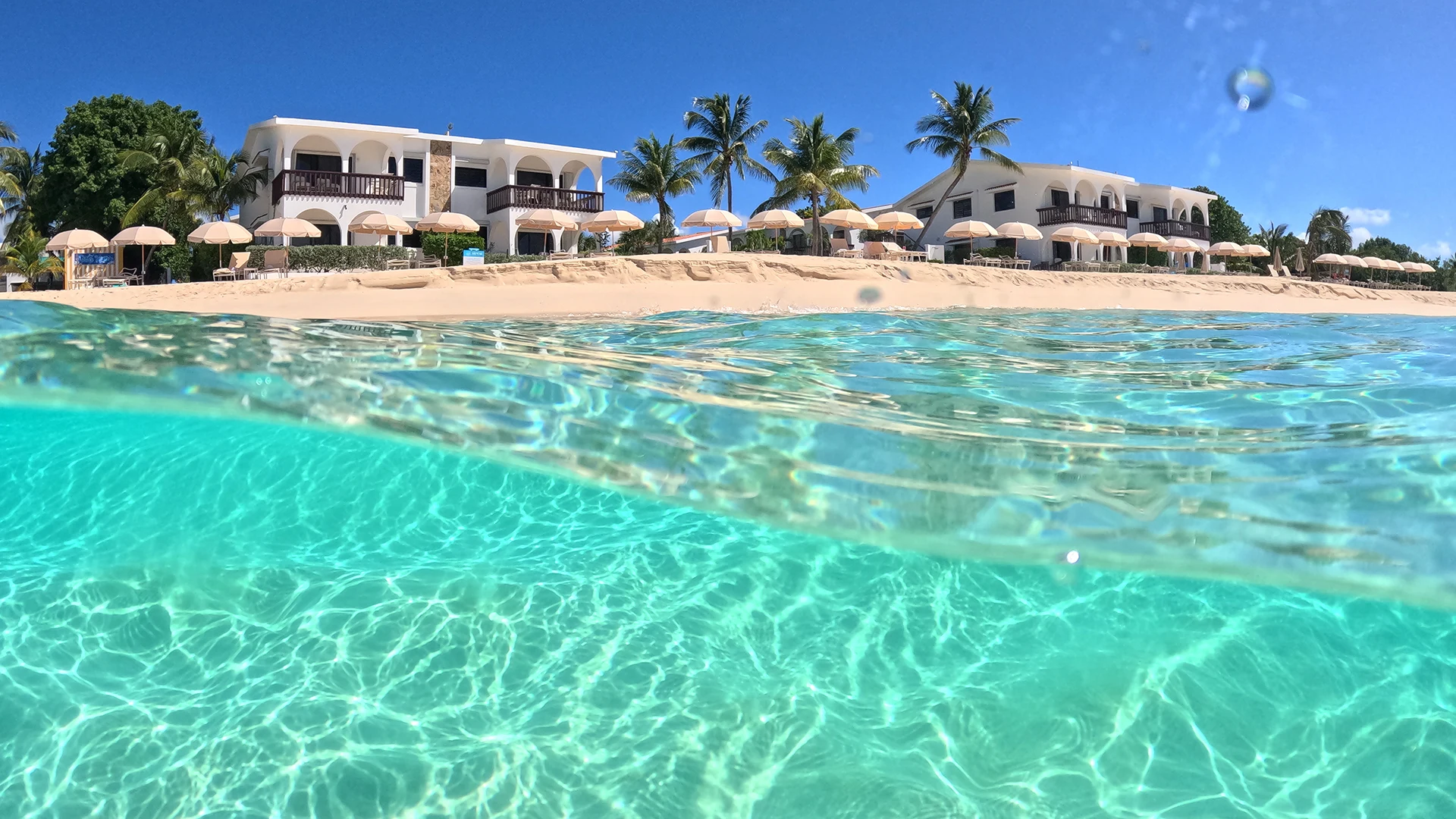
Discover luxury villas, boutique accommodations, and peaceful island retreats that provide an ideal base for exploring Anguilla's spectacular eastern coastline.
Marissa’s Blowhole offers a focused encounter with Anguilla’s rocky western coastline. Include it in an outing around the West End, with time for other coastal viewpoints and a meal afterwards. Treat the visit as an opportunity to observe a natural process, with the day’s conditions shaping the experience. Coastal blowholes form where openings in rock connect with cavities reached by the sea. Incoming waves create pressure that can force air and water through an outlet. This general mechanism explains why a blowhole’s activity changes with wave conditions; a visit should never depend on a promised spray height or predictable interval. For photography, begin with a wider composition that places the opening within the surrounding coastline. Allow room in the frame for any spray, then look for quieter studies of rock and water between bursts. A short video can capture the sequence more clearly than a single photograph. Keep well back from the vent, cliff edges and wave-washed surfaces, and use a zoom lens rather than moving closer. The landmark can also be viewed from offshore on a suitable coastal itinerary. Travel reporting describes it as a sight along the passage from Cap Juluca towards Little Bay, with Anguilla Arch another landmark along the route. Ask a charter operator whether conditions and the planned course allow a viewing; this does not establish a landing point or a departure service at the blowhole. For dining afterwards, Cap Juluca on Maundays Bay offers Caribbean seafood at Pimms and Italian cooking at Cip’s by Cipriani. These are separate restaurant destinations, so confirm opening times, table availability and transport before linking them to your visit.
START PLANNING
Planning a private charter, stay, experience or something entirely your own? Tell us what you have in mind and we’ll help with the details.
Prefer to talk? Call us →Typically responds within minutes