Beyond the mainland, pale beaches meet a rugged island landscape, inviting a thoughtful journey into one of Anguilla’s important seabird habitats.
Dog Island is an uninhabited offshore island in Anguilla, recognised as an Important Bird Area for its nesting seabirds. Pale beaches interrupt a rugged coastline, while scrub and rocky ground form a landscape with a strong sense of distance from the mainland. A visit suits wildlife enthusiasts, photographers and travellers comfortable with an outing shaped by sea conditions. The experience begins with the boat journey and may include time ashore where access is permitted and landing is suitable. Its appeal is the opportunity to observe: birds moving above the coast, shifting water and an island whose conservation story adds meaning to its beauty.

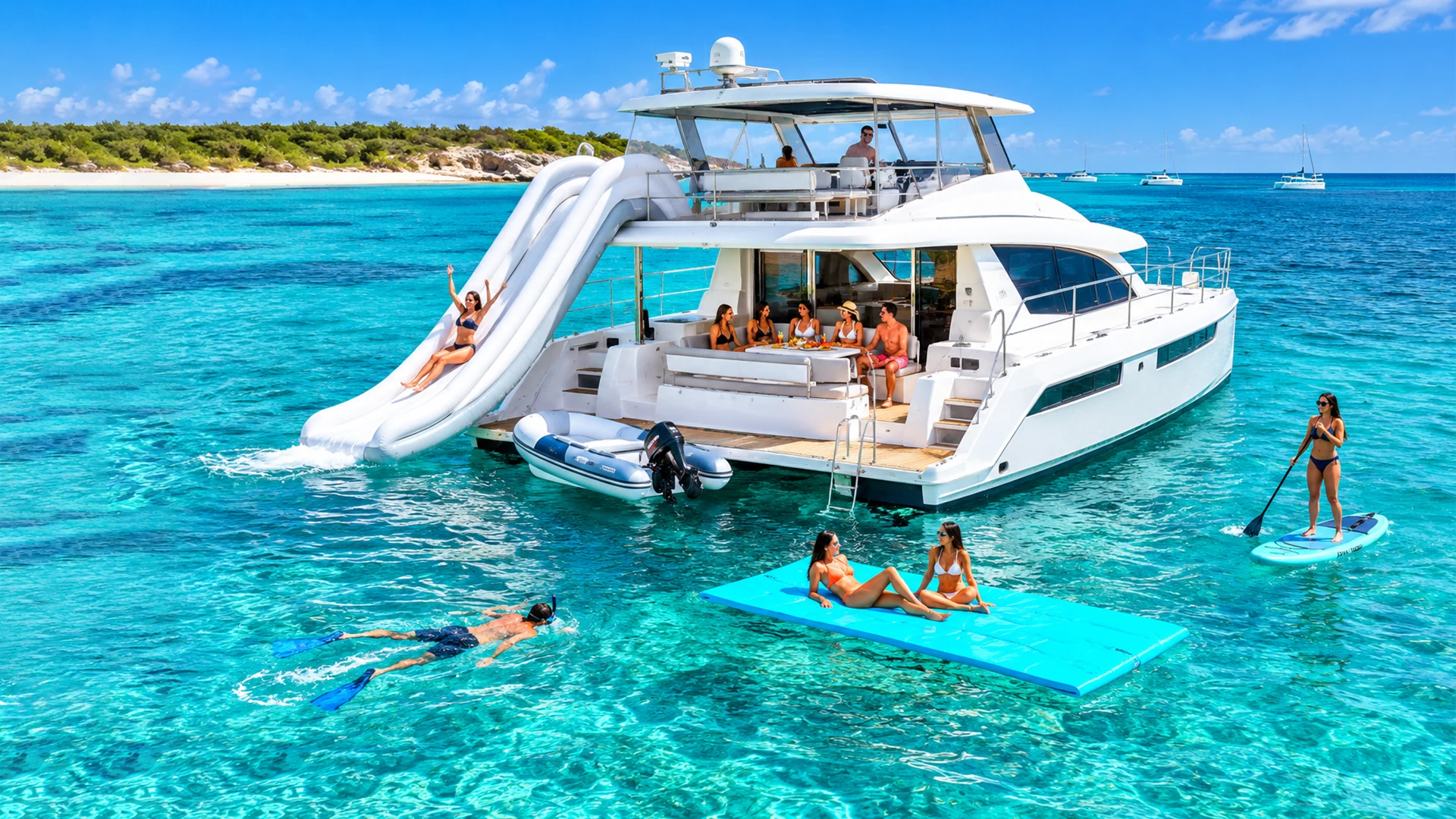
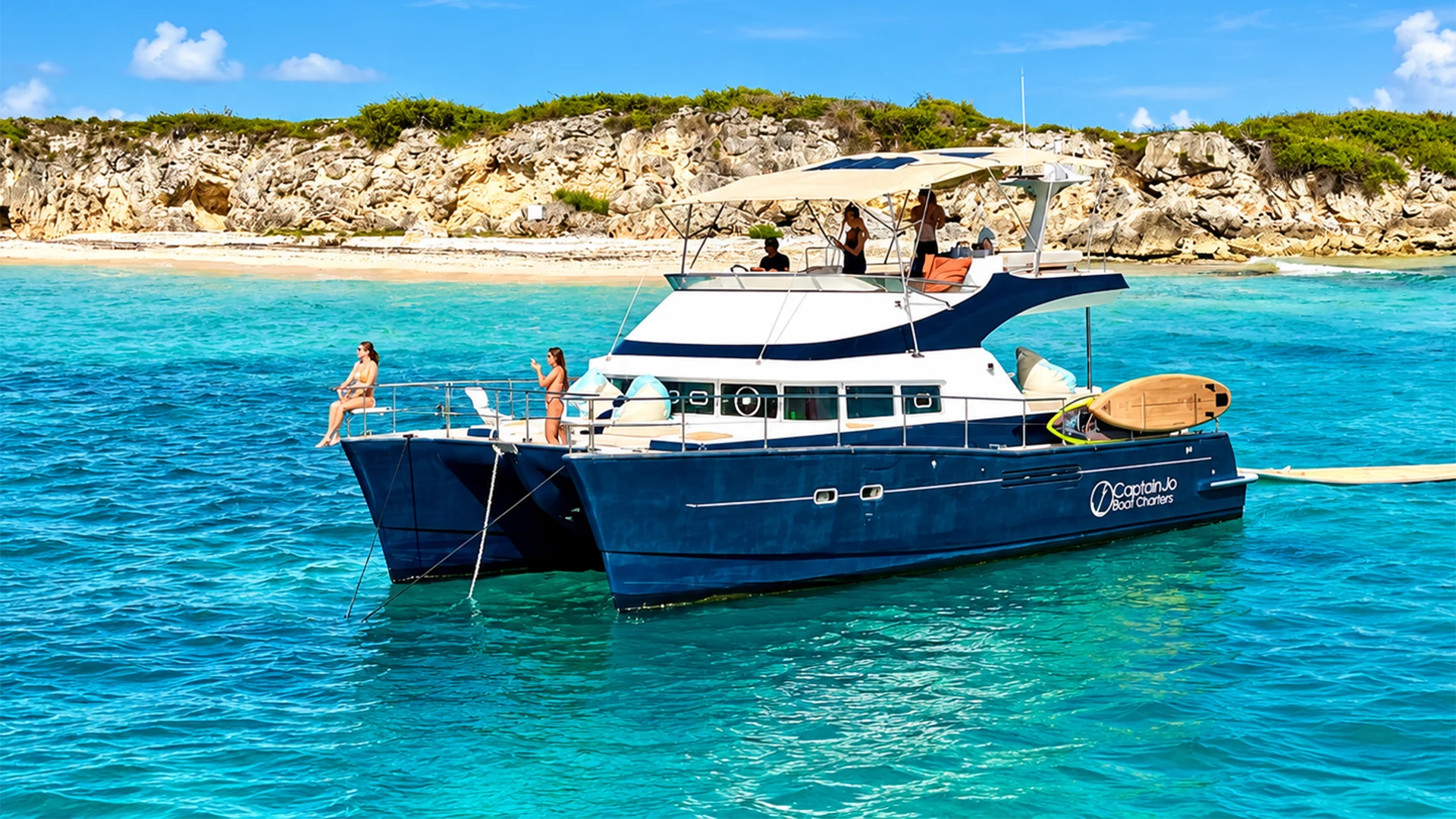
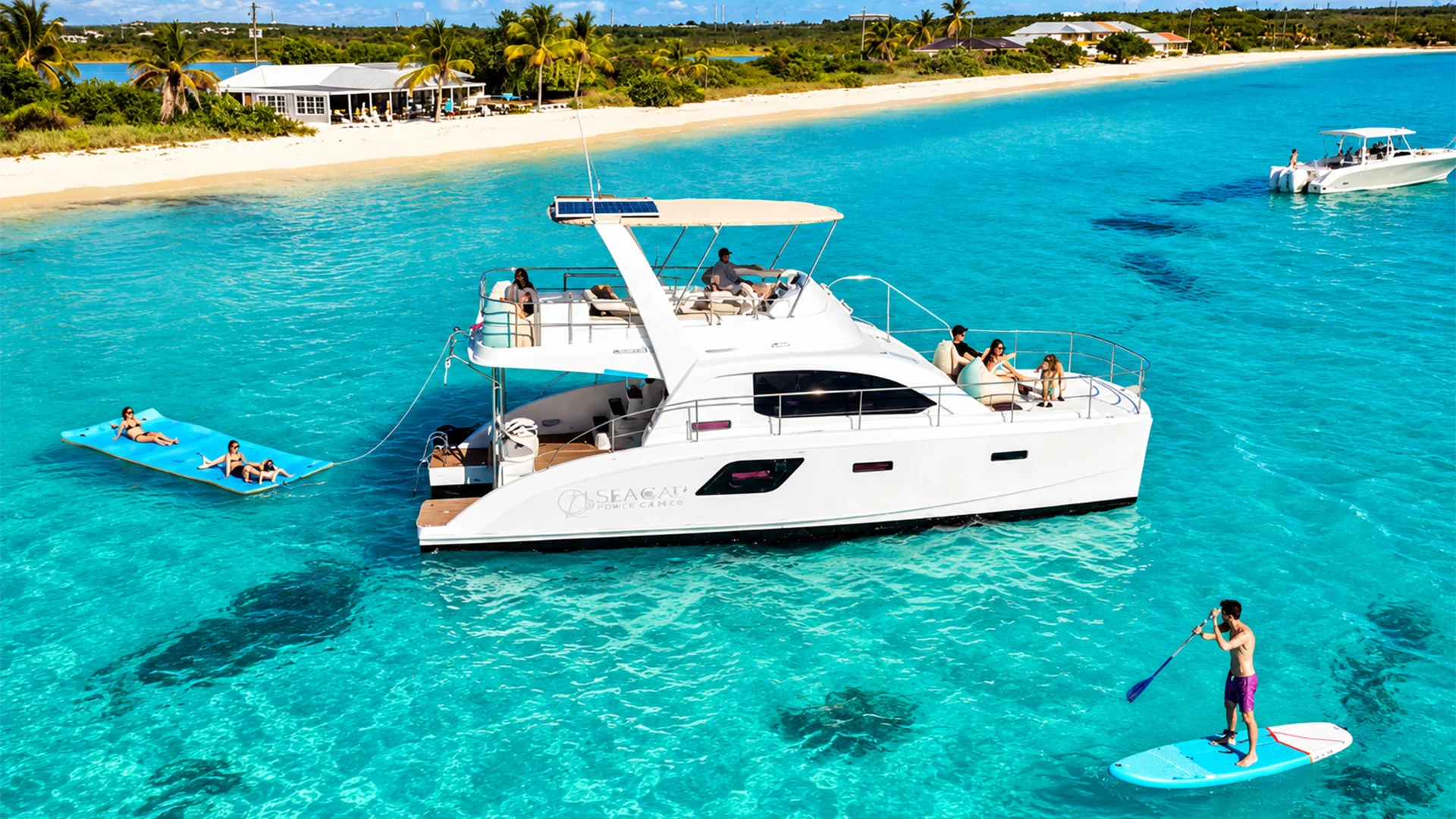
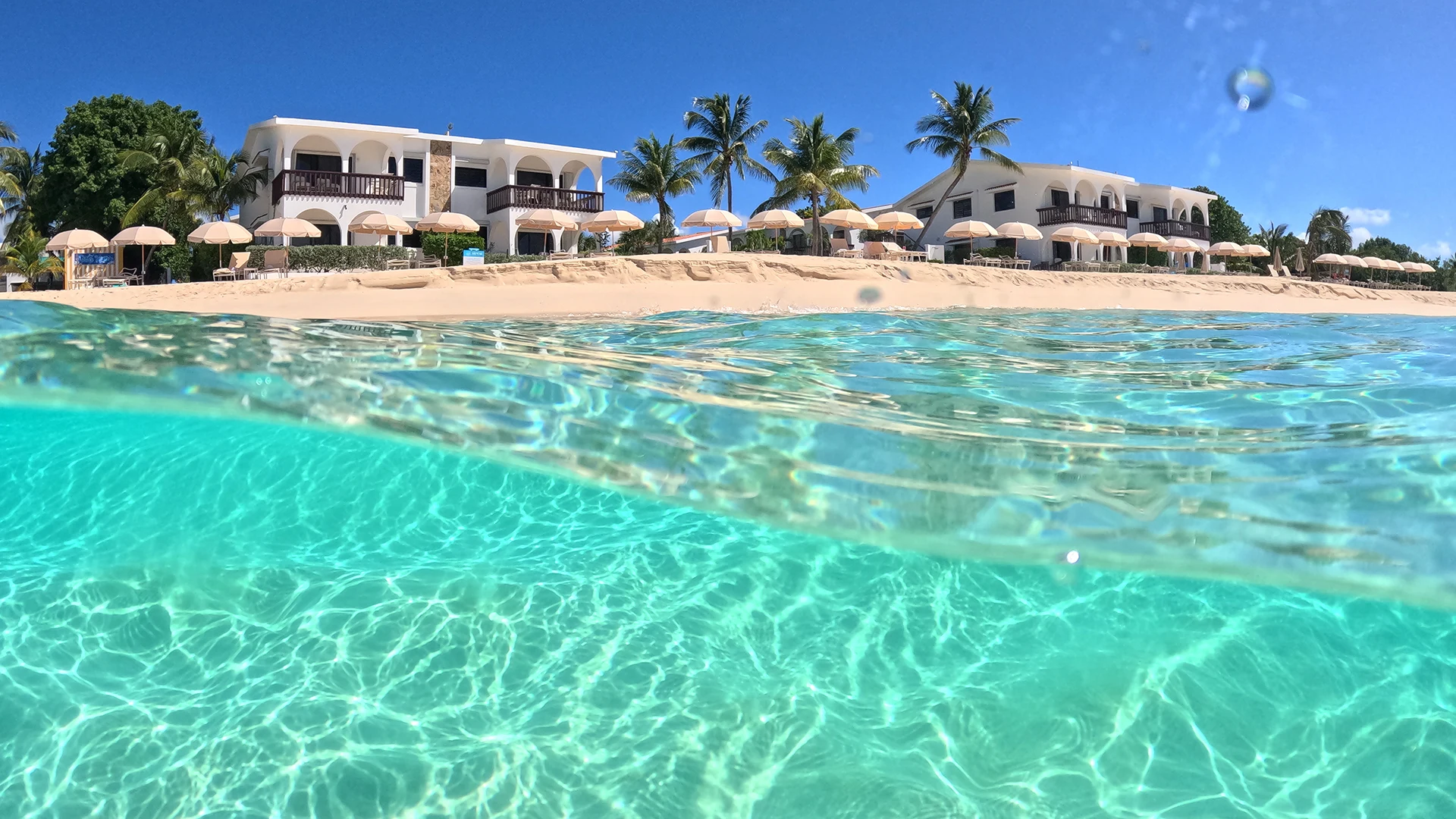
Explore Dog Island’s contrast of pale beaches, rocky shorelines and open blue water. The gallery introduces an offshore landscape where the coast and its wildlife take centre stage, offering a closer sense of the setting for a carefully planned boat visit.
An approach by sea reveals the island’s rugged outline and the changing colour of the water along its shores. Moving coastal views convey the scale of the landscape and the sense of distance from Anguilla’s mainland.
Discover private yacht charters, snorkeling adventures, scuba diving, and guided boat excursions that reveal one of Anguilla's most spectacular offshore destinations.
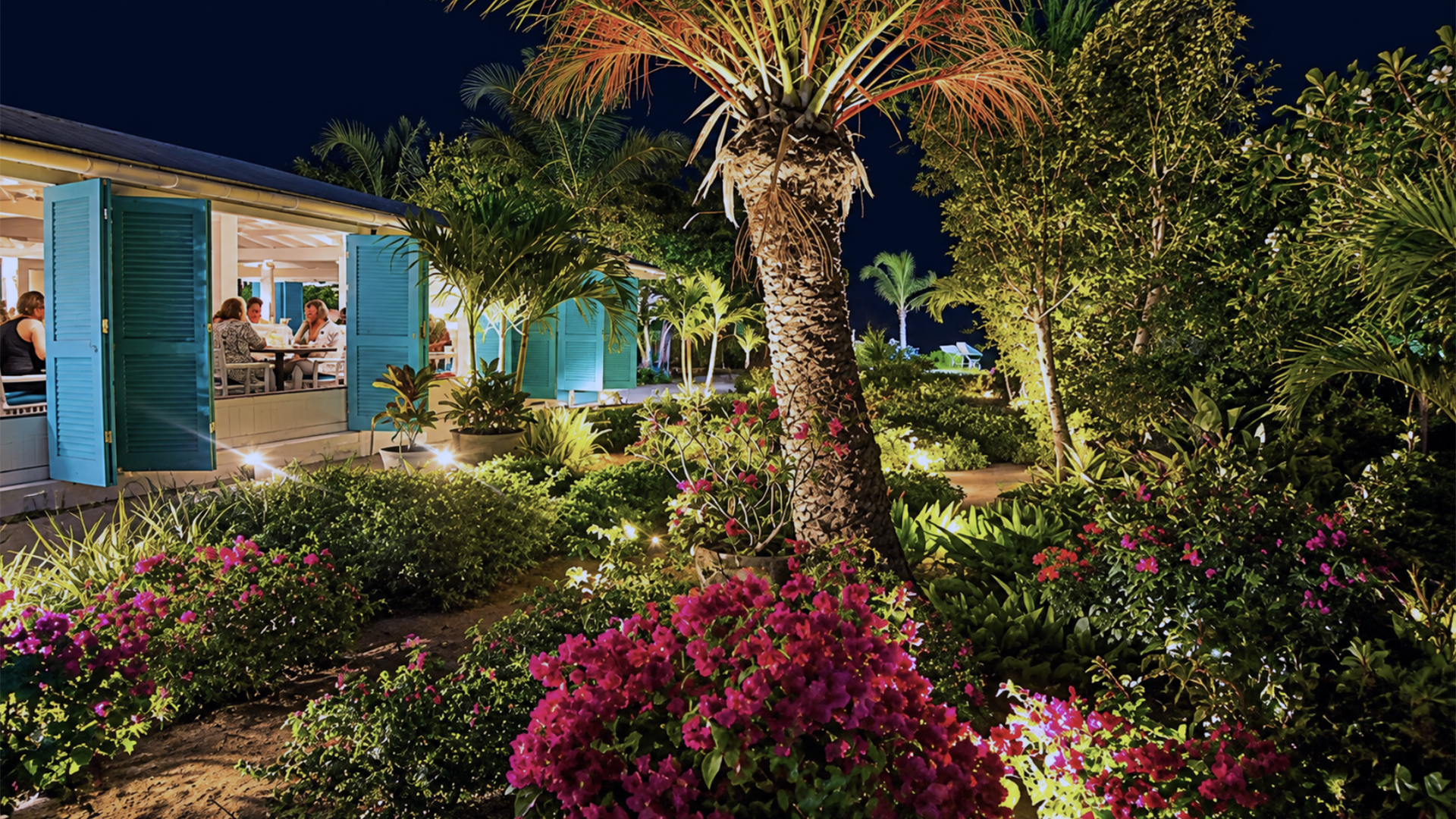
After exploring Dog Island, return to Anguilla to enjoy beachfront restaurants, fresh seafood, and waterfront dining overlooking the Caribbean Sea.
Continue your journey by discovering Anguillita, Prickly Pear Cays, Sandy Island, and other remarkable offshore destinations surrounding Anguilla.
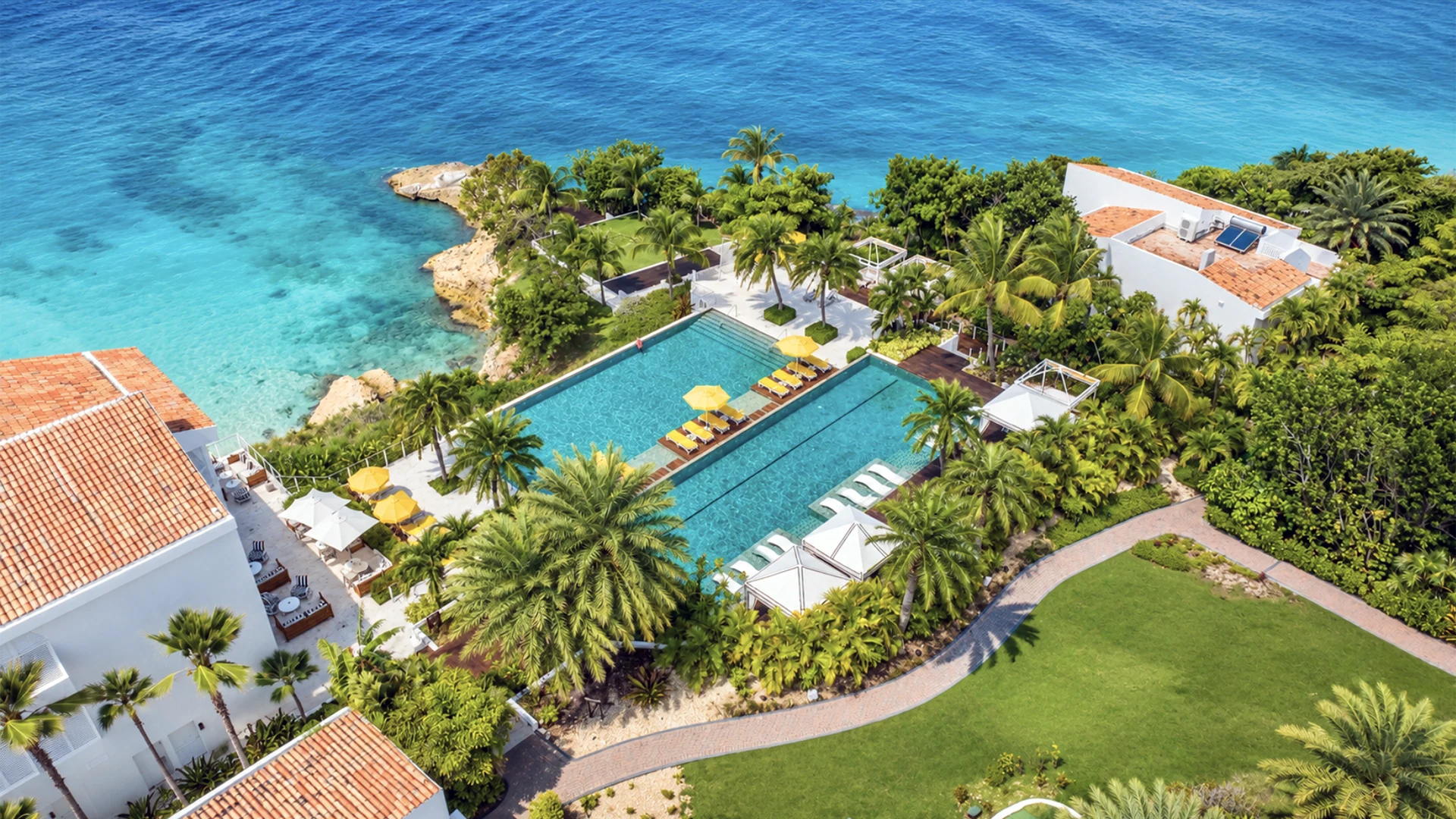
Complete your Anguilla adventure with luxury resorts, beachfront villas, and boutique accommodations that provide easy access to unforgettable offshore excursions.
Dog Island belongs to Anguilla’s offshore landscape: an uninhabited island where rocky ground, coastal scrub and sandy bays support significant wildlife populations. Plan a visit around nature observation and the boat journey, allowing the captain to decide which shoreline can be approached safely. A flexible itinerary is particularly valuable here, where conditions determine whether time ashore is possible. The island’s seabird colonies are central to its identity. Sooty terns, brown boobies and magnificent frigatebirds are among the species documented here, while green and hawksbill turtles use its beaches for nesting. What visitors encounter depends on the season and the area visited. Observe from a respectful distance, follow local guidance around nesting sites and avoid walking through colonies to obtain a photograph. Binoculars and a longer camera lens allow close observation without a close approach. Its conservation history is equally significant. Invasive black rats were eradicated in 2012 through a partnership effort involving conservation organisations and local stakeholders. Fauna & Flora identifies the removal of rats from Dog Island as part of its wider work with the Anguilla National Trust and other partners to restore offshore habitats. Following current guidance on equipment, food and waste helps visitors support that work. Great Bay, on the island’s northern side, is a documented landing location. However, the Caribbean Birding Trail specifically notes that its water can change rapidly from calm to rough, particularly during winter. A beach that appears inviting from offshore does not establish suitable landing or swimming conditions.
START PLANNING
Planning a private charter, stay, experience or something entirely your own? Tell us what you have in mind and we’ll help with the details.
Prefer to talk? Call us →Typically responds within minutes